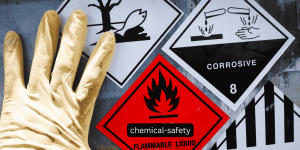
Chemical Spill in Laboratory: Causes, Hazards, and Prevention

Chemical Spill in Laboratory: Causes, Hazards, and Prevention

Chemical Spill in Laboratory

Chemical Spill in Laboratory: Hello and welcome to Industrial Safety Tips — your trusted source for workplace safety awareness, training, and best practices in industries like chemical processing, oil & gas, pharmaceuticals, manufacturing, and more.

Today, we’re focusing on chemical spills in laboratories — a type of incident that can range from a small inconvenience to a serious emergency. While laboratories are designed for controlled experimentation, accidents happen, and a chemical spill can put people, property, and the environment at risk.

A chemical spill occurs when a liquid, powder, or gas escapes its container unintentionally. In the confined spaces of a laboratory, where chemicals are often stored and used in concentrated forms, even small spills can escalate into dangerous situations. Vapors can quickly spread, corrosive substances can damage surfaces, and reactive materials can ignite or explode if they come into contact with incompatible substances.

We believe that awareness is the first step to prevention. Understanding how spills happen, what risks they present, and how to prevent and respond to them is essential for anyone working in a lab environment.

Why Chemical Spills Happen

In most cases, chemical spills are the result of a chain of small failures rather than a single catastrophic event. Human error is one of the most common contributors — a container may be dropped, overfilled, or mishandled. Equipment malfunctions, such as leaking pumps, cracked glassware, or faulty seals, can also cause unexpected leaks.

Improper storage is another frequent cause. Chemicals stored in incompatible groups, without clear labeling, or in deteriorating containers are more likely to spill. Poor housekeeping practices — cluttered benches, unsealed bottles, or unprotected shelving — increase the chances that an accident will happen. Sometimes, spills occur because of chemical reactions themselves: an unexpected rise in temperature or pressure can cause a container to rupture.

Hazards of Chemical Spills in the Laboratory

Hazards of Chemical Spills in the Laboratory

The dangers posed by a chemical spill depend on the nature of the substance involved, the amount released, and the location of the spill. One of the most serious risks is toxic vapor release. Volatile chemicals can evaporate quickly, producing fumes that irritate the eyes and respiratory system or even cause poisoning. Ammonia, formaldehyde, and certain solvents are prime examples of substances that can make a laboratory uninhabitable within minutes if spilled.

Spills can also create fire and explosion hazards. Many chemicals are flammable or explosive in the right conditions. Ethanol, acetone, diethyl ether, and many organic solvents can ignite if vapors reach an ignition source. Some reactive substances, such as sodium metal or lithium aluminum hydride, can ignite spontaneously when exposed to air or moisture.

Corrosive burns are another serious concern. Acids like sulfuric or hydrochloric acid, and bases like sodium hydroxide, can cause permanent damage to skin, eyes, and respiratory tissue on contact. Even dilute solutions can be harmful if left on the skin for too long.

Beyond immediate injury, chemical spills can result in environmental contamination. If chemicals reach drains, soil, or water sources, they can harm ecosystems and trigger costly cleanup operations. Laboratories working with heavy metals, pesticides, or persistent organic pollutants must be especially vigilant to prevent releases.

Chemical spills may also lead to secondary reactions with incompatible substances. A simple acid spill near a container of sodium hypochlorite (bleach) could release toxic chlorine gas. Similarly, mixing oxidizers with organic materials can result in heat and flame.

Damage to laboratory equipment is another consequence. Corrosive chemicals can degrade metal surfaces and electronics, while strong solvents can dissolve plastics and rubber seals. Even a small amount of vapor can damage sensitive analytical instruments over time.

Sometimes, the hazard isn’t chemical in nature but physical. Liquids on the floor create slip hazards, increasing the risk of falls and injuries. A seemingly harmless glycerin or oil spill could send someone to the hospital with a broken bone.

Even small, repeated spills can have chronic health effects. For example, long-term low-level exposure to formaldehyde or certain solvents can cause respiratory issues, headaches, or other systemic effects. Because the symptoms may develop gradually, workers might not link them to past spills.

Spills can also disrupt laboratory work, causing cross-contamination of samples and invalidating research results. In worst-case scenarios, untrained personnel may panic and attempt unsafe cleanup methods — like using a household vacuum on a mercury spill — which can make the problem far worse.

Prevention Strategies

Preventing spills begins long before a single drop is spilled. One of the most important measures is proper chemical storage and labeling. Every container should have a clear, durable label indicating the chemical’s name, hazards, and date of receipt. Containers should be stored in designated areas, grouped by chemical compatibility — acids away from bases, oxidizers away from organics, flammables in flame-proof cabinets.

Secondary containment is another simple but effective safeguard. Placing bottles in plastic trays or tubs ensures that if a container leaks, the chemical stays contained. For larger volumes, spill pallets can prevent liquids from reaching floors and drains.

Training is essential. Laboratory personnel should be able to recognize hazards, understand safety data sheets (SDS), and know how to handle spills of different types. Spill response drills should be conducted regularly, and workers should know the location of spill kits and emergency equipment.

Speaking of spill kits — they should be tailored to the types of chemicals in use. An acid spill kit will include neutralizing agents like sodium bicarbonate, while a solvent spill kit may have absorbents designed for hydrocarbons. Mercury spill kits require special tools to safely collect and store the toxic metal without creating vapor hazards.

Personal protective equipment (PPE) plays a crucial role in spill prevention and response. Lab coats, chemical-resistant gloves, safety goggles, and face shields are standard, but certain situations may require aprons, respirators, or full-body suits. Importantly, PPE must be selected based on the specific hazards of the chemicals being handled.

Good housekeeping is another often-overlooked aspect of spill prevention. Keeping benches organized, storing chemicals securely, and cleaning up small drips immediately can prevent minor incidents from becoming serious accidents.

Engineering controls such as fume hoods and ventilation systems can reduce exposure to vapors and contain spills within a defined area. Leak detection systems can provide early warnings before a spill becomes serious.

Responding to a Spill

Responding to a Spill in Laboratory

When a spill does occur, the first step is to ensure personal safety and prevent the spread of the hazard. This means stopping work, alerting others, and assessing the situation before taking action. The type of chemical, the size of the spill, and the location all determine the appropriate response.

For minor spills involving non-hazardous materials, cleanup may be as simple as using absorbent pads and disposing of them in regular waste. For hazardous chemicals, however, the cleanup process must follow established procedures.

In the case of volatile or toxic substances, ventilation should be increased immediately — and the area evacuated if necessary. Ignition sources must be turned off for flammable spills. Neutralizing agents can be applied to acids and bases to make them safer to handle. Contaminated materials should be placed in labeled hazardous waste bags or containers for proper disposal.

Some spills are simply too dangerous for in-house cleanup. Large releases of highly toxic, reactive, or radioactive materials require specialized hazardous materials (HAZMAT) teams with advanced protective gear and equipment.

Throughout the process, reference to the Safety Data Sheet (SDS) is crucial. It provides specific instructions for handling spills, as well as information on the chemical’s physical and health hazards.

Long-Term Safety Culture

Preventing chemical spills isn’t just about rules and equipment — it’s about fostering a culture of safety. This means encouraging workers to report near-misses, rewarding safe behavior, and making sure that safety procedures are integrated into daily routines rather than treated as an afterthought.

Management must lead by example, demonstrating that safety is valued as much as productivity. Regular inspections, maintenance of equipment, and updating of safety protocols are part of this commitment.

Frequently Aksded Question on Chemical Spill in Laboratory

What is a chemical spill laboratory?

A chemical spill laboratory is any lab environment where hazardous substances are stored, handled, or used, and where there is potential for accidental release of chemicals onto surfaces, equipment, or the floor. These laboratories are typically equipped with safety protocols, spill kits, and trained personnel to manage and contain spills quickly to prevent harm to people, property, and the environment.

What are the 5 steps of a chemical spill?

The five main steps to handle a chemical spill are:

  1. Alert and Evacuate – Inform nearby personnel and clear the area if necessary.
  2. Assess the Spill – Identify the chemical, its hazards, and the spill size.
  3. Control and Contain – Use spill kits, absorbents, or barriers to prevent spreading.
  4. Clean Up Safely – Wear proper PPE and follow manufacturer or safety guidelines for cleanup.
  5. Dispose and Report – Dispose of waste as hazardous material and document the incident.

What will you do when a chemical spill is in the laboratory?

When a chemical spill occurs in the laboratory, the first action is to ensure personal safety by avoiding direct contact with the substance. Quickly assess the type and quantity of the chemical, evacuate if the spill is large or involves toxic vapors, and notify the responsible safety officer. For small, manageable spills, use the appropriate spill kit while wearing proper PPE, and ensure proper disposal and incident reporting once the area is safe.

What is a chemical spill?

A chemical spill is the accidental release of a hazardous substance in liquid, solid, or gaseous form, which may pose risks to health, safety, or the environment. Spills can occur due to equipment failure, human error, container damage, or improper handling, and they require immediate and appropriate response to minimize harm.

Conclusion

Chemical spills in laboratories can happen at any time, but their consequences vary widely depending on how prepared the laboratory is to prevent and respond to them. From toxic vapors and fires to environmental contamination and chronic health effects, the risks are real — but they are also manageable.

By implementing proper storage practices, effective training, appropriate PPE, and clear response procedures, laboratories can greatly reduce the likelihood of spills and minimize their impact when they do occur.

At Industrial Safety Tips, we’re committed to spreading awareness and sharing practical tools to make every workplace safer. If you’ve experienced a chemical spill in your lab, share your story — your experience might be the lesson that prevents the next accident.

Disclaimer

This article was developed with the assistance of AI tools to enhance structure, clarity, and consistency. However, all technical content has been written, reviewed, and certified by the author, a qualified Chemical Engineer with industry experience. The views and information presented are based on professional expertise and adhere to current industry standards and practices.


References

Read Also,

All About 14 Process Safety Management Elements

Methanol Safety in Chemical Industry

Components of Fire Hydrant System

Reactor Safety in the Pharmaceutical Industry

hydrogenation reaction safety in chemical industry

Types of Safety Helmets

Process safety

Fire Safety

Equipment Safety

Chemical Safety

Personal Protective Equipment

Sulphuric Acid Safety in Chemical Industry

Sulphuric Acid Safety in Chemical Industry

Sulphuric Acid Safety in Chemical Industry

Welcome to today’s safety insight. Sulphuric acid is one of the most widely used industrial chemicals in the world. Its applications span across chemical manufacturing, petroleum refining, fertilizer production, water treatment, and metal processing. Despite its significance, sulphuric acid is highly corrosive and dangerous, requiring strict safety protocols to handle it safely.

Sulphuric acid (H₂SO₄) is a dense, oily, colourless to slightly yellow liquid. It is odourless but reacts violently with water and organic materials. Its use is common in:

  • Fertilizer industry: in the production of phosphoric acid and ammonium sulfate
  • Petroleum industry: as a catalyst and cleaner in refining processes
  • Chemical manufacturing: for dyes, detergents, explosives, and batteries
  • Metal industry: for pickling (cleaning) of metals before galvanizing or plating
  • Water treatment: for pH control and neutralization

Due to its highly reactive nature, sulphuric acid demands careful handling, storage, and disposal procedures in any industrial setting.


Hazards of Sulphuric Acid

Hazards of Sulphuric Acid

1. Corrosivity

Sulphuric acid is a strong acid that causes severe chemical burns on contact. It aggressively attacks organic and inorganic materials, including human tissues. Even diluted solutions pose a significant hazard.

2. Heat Generation

Sulphuric acid generates intense heat when mixed with water. This exothermic reaction can cause violent splattering or explosions if water is added to acid improperly.

Safety Rule: Always add acid to water, never the reverse.

3. Inhalation Risks

H2SO4 vapours and mists can cause respiratory irritation. Prolonged exposure may lead to lung damage, chronic bronchitis, or pulmonary edema, especially in poorly ventilated areas.

4. Environmental Damage

Sulphuric acid is highly toxic to aquatic life. Even small leaks or spills can significantly lower the pH of soil or water, leading to long-term environmental degradation.


Effects of Sulfuric Acid on Humans

Effects of Sulfuric Acid on Humans

Short-Term (Acute) Effects

  • Skin Contact: Immediate burning, redness, and tissue destruction
  • Eye Contact: Severe irritation, corneal burns, or permanent blindness
  • Inhalation: Coughing, choking, nosebleeds, difficulty breathing
  • Ingestion: Severe mouth and throat burns, vomiting, shock, and possible death

Long-Term (Chronic) Effects

  1. Respiratory Disorders

Chronic inhalation of sulphuric acid mist is linked with:

  • Bronchitis
  • Dental erosion
  • Chronic cough and throat irritation
  1. Dermatitis and Skin Damage

Repeated dermal contact leads to:

  • Dry, cracked, and inflamed skin
  • Sensitization or allergic reactions in sensitive individuals
  1. Cancer Risk

H2SO4 mists are classified as carcinogenic to humans (Group 1) by the International Agency for Research on Cancer (IARC), especially linked to laryngeal cancer.


Safe Handling Practices for H2SO4

Storage

  • Store in corrosion-resistant containers, preferably made of stainless steel or polyethylene
  • Keep in a cool, dry, well-ventilated, and secure area away from incompatible substances (e.g., organic materials, bases, chlorates)
  • Clearly label all containers with hazard symbols and handling instructions
  • Avoid storing near heat sources or direct sunlight

Handling

  • Always handle sulphuric-acid using closed systems or fume hoods to minimize exposure
  • Ensure equipment and containers are compatible with strong acids
  • Use proper dispensing systems to prevent splashing or accidental contact
  • Never mix with water or other chemicals unless specified and under controlled conditions

Personal Protective Equipment (PPE)

To ensure safe handling of sulphuric acid, the following PPE is recommended:

  • Gloves: Acid-resistant gloves (e.g., neoprene, butyl rubber)
  • Eye protection: Chemical splash goggles or full face shield
  • Body protection: Acid-resistant apron or full chemical suit
  • Respiratory protection: Acid mist respirators if vapours are present above permissible limits

Spill and Emergency Response

Spill Response

  • Evacuate the area immediately and isolate the spill zone
  • Wear full PPE before approaching
  • Neutralize the acid spill with sodium bicarbonate or lime before cleanup
  • Absorb the liquid with inert materials (e.g., dry sand, vermiculite)
  • Collect in appropriate acid-resistant containers for disposal

Note: Never use water to dilute or flush concentrated sulphuric acid spills directly—this may generate heat and increase the hazard.

First Aid

  • Inhalation: Move the person to fresh air immediately. Administer oxygen if breathing is difficult and seek medical help.
  • Skin contact: Remove contaminated clothing and rinse affected skin with large volumes of water for at least 15 minutes.
  • Eye contact: Rinse eyes continuously with water for at least 20 minutes while holding eyelids open. Seek urgent medical attention.
  • Ingestion: Do not induce vomiting. Rinse mouth, offer small sips of water if conscious, and get emergency medical treatment.

Workplace Safety Management

To ensure workplace safety when handling sulphuric acid:

  • Conduct routine air monitoring for acid mist concentrations
  • Install eyewash stations and safety showers near handling areas
  • Maintain up-to-date Material Safety Data Sheets (MSDS) for all acid containers
  • Ensure clearly marked pipelines and secondary containment for bulk storage
  • Use proper ventilation systems in storage and use areas
  • Implement spill containment kits and regular emergency drills

Environmental Protection Measures

H2SO4, when released into the environment, can cause:

  • Soil acidification and sterility
  • Aquatic toxicity due to sudden pH drop
  • Corrosion of infrastructure and vegetation

Preventive Actions

  • Prevent leakage from tanks or transport vessels through regular inspection
  • Use double containment tanks and leak detection systems
  • Treat acidic waste streams with neutralization units before discharge
  • Follow local hazardous waste disposal regulations strictly

Why Sulphuric Acid Safety is Essential for Chemical Engineers

1. High Industrial Usage

Sulphuric acid is central to many processes like fertilizer manufacturing, pH control, and metal treatment. Engineers often supervise its usage, making safety knowledge essential.

2. Corrosive Hazards

H2SO4 is not just toxic but also corrosive. Improper handling leads to severe equipment damage, increasing operational risks and maintenance costs.

3. Process Integration Challenges

H2SO4 reactions are exothermic. Engineers must account for thermal loads and compatibility in design to avoid runaway reactions or equipment failure.

4. Personnel Safety

Chemical engineers are responsible for designing safe procedures and training operational staff to minimize risk of burns, inhalation injury, or environmental accidents.

5. Regulatory Compliance

Handling sulphuric acid involves stringent guidelines from OSHA, EPA, and local regulatory bodies. Engineers ensure process compliance to avoid legal liabilities.

6. Accident Prevention

Designing safety interlocks, acid-proof piping, emergency neutralization systems, and proper drainage are critical roles engineers play to mitigate sulphuric acid risks.


Frequently Asked Questions (FAQ)

What are the safety precautions for sulphuric acid?

  • Always wear PPE: gloves, goggles, aprons
  • Store in corrosion-resistant, clearly labeled containers
  • Never add water to acid—add acid to water slowly
  • Use acid-resistant equipment and secondary containment
  • Ensure good ventilation and emergency safety gear nearby

How dangerous is sulphuric acid?

H2SO4 is extremely dangerous. It causes severe burns on skin and eyes, respiratory damage when inhaled, and may be fatal if ingested. It also poses a cancer risk through long-term mist exposure and can destroy infrastructure or ecosystems if spilled.

How to stay safe from sulphuric acid in the lab or plant?

To stay safe:

  • Handle inside a fume hood or with exhaust systems
  • Use automatic dispensers to reduce splash risks
  • Train all workers on first aid and spill response
  • Regularly inspect containers and pipelines
  • Maintain updated MSDS and PPE supply

What is the OSHA limit for sulphuric acid?

According to OSHA, the permissible exposure limit (PEL) for sulphuric acid mist is 1 mg/m³ as an 8-hour time-weighted average (TWA). The ACGIH recommends a lower threshold of 0.2 mg/m³ due to its potential for respiratory irritation and cancer risk.


Conclusion

Sulphuric acid is a critical chemical across multiple industries, but its corrosive and hazardous nature demands respect and precaution. Implementing rigorous safety protocols for storage, handling, PPE, emergency response, and employee training can minimize the risks associated with sulphuric acid use.

For chemical engineers and plant personnel, H2SO4 safety is not optional—it is a responsibility. Designing safe systems, enforcing standards, and promoting awareness ensures both operational success and human safety.


References

Read Also
👉 Methanol Safety in Chemical Industry

👉 PPE For Chemical Handling With Example

Difference Between PSV and PRV

NRV on Pump Discharge

Chemical Safety

Disclaimer:
This image was generated with the assistance of AI and is intended for informational and illustrative purposes only.

Methanol Safety in Chemical Industry

Methanol Safety

Methanol Safety in Chemical Industry

Methanol Safety in Chemical Industry

Welcome to today’s safety insight. Methanol is largely used as a solvent in chemical and pharmaceutical industries because it is cheap, and its properties are very useful in chemical processes. However, it poses significant health hazards that must be understood for safe industrial use.

Methanol (CH₃OH), also known as methyl alcohol or wood alcohol, is a clear, colourless liquid with a mild alcoholic odour. It is widely used in:

  • Chemical industries: as a solvent in resins, dyes, and adhesives
  • Pharmaceutical industries: in synthesis of active pharmaceutical ingredients (APIs)
  • Fuel and energy sectors: as fuel additive or biodiesel component
  • Laboratories: as a cleaning agent and analytical solvent

Due to its low cost and excellent solvency, it remains an irreplaceable chemical in many processes.

Please check About Our PPE Standards.

Hazards of Methanol

Hazards of Methanol
Hazards of Methanol

1. Flammability

Methanol has a low flash point of 11°C and forms flammable vapour-air mixtures at room temperature. It burns with a nearly invisible pale blue flame, increasing fire risks during unnoticed leaks or spills.

2. Toxicity

The major safety concern with methanol is its high toxicity. It can enter the body via:

  • Inhalation of vapours
  • Skin absorption
  • Ingestion

Short-Term (Acute) Health Effects

Exposure to methanol, even in small amounts, causes acute toxic effects due to its metabolism into formaldehyde and formic acid. These include:

  • Central nervous system (CNS) effects: headache, dizziness, confusion, drowsiness
  • Gastrointestinal symptoms: nausea, vomiting, abdominal pain
  • Visual disturbances: blurred vision, double vision, which can progress to permanent blindness due to optic nerve damage
  • Respiratory symptoms: coughing, shortness of breath, particularly if inhaled at high concentrations
  • Severe poisoning: metabolic acidosis, convulsions, coma, and death if untreated

Symptoms may have a latent period of 12–24 hours before appearing, especially for ingestion cases, leading to delayed medical attention and severe outcomes.

Chronic (Long-Term) Health Effects

Prolonged or repeated exposure to methanol, particularly in poorly ventilated industrial environments, can lead to chronic health issues:

1. Neurological Damage

Continuous low-level exposure affects the CNS, causing:

  • Weakness, fatigue
  • Memory loss, behavioural changes
  • Sleep disturbances and dizziness

2. Visual System Damage

Long-term exposure can result in:

  • Optic neuropathy (damage to the optic nerve)
  • Reduced colour vision
  • Permanent visual impairment even at lower exposure levels over extended periods

3. Skin Disorders

Regular dermal contact may cause:

  • Dermatitis due to skin defatting
  • Cracking, redness, and irritation

4. Reproductive and Developmental Effects

Animal studies suggest methanol may cause foetal toxicity at high exposure levels, though data on human reproductive toxicity is limited. Therefore, precaution is necessary for pregnant workers.

Safe Handling Practices

Methanol Safe Handling Practices

Storage

  • Store in tightly sealed containers in cool, well-ventilated, flameproof areas
  • Keep away from ignition sources, oxidising agents, and direct sunlight

Handling

  • Use closed systems or local exhaust ventilation to minimise vapour exposure
  • Avoid skin and eye contact; never siphon methanol by mouth

Personal Protective Equipment (PPE)

  • Wear nitrile or neoprene gloves, chemical splash goggles, and flame-resistant lab coats
  • Use approved respirators if airborne concentrations exceed exposure limits

Spill and Leak Response

  • Evacuate non-essential personnel
  • Eliminate ignition sources immediately
  • Contain spill with inert absorbent (sand, vermiculite) and dispose as hazardous waste

First Aid

  • Inhalation: Move victim to fresh air, administer oxygen if needed, seek medical care
  • Skin contact: Remove contaminated clothing and wash thoroughly with soap and water
  • Eye contact: Rinse eyes with water for at least 15 minutes, seek medical attention
  • Ingestion: Do NOT induce vomiting, seek immediate medical care. Treatment may involve fomepizole or ethanol as antidotes, along with haemodialysis in severe cases.

Workplace Safety Management

  • Implement routine air monitoring for methanol concentrations
  • Train all employees on methanol hazards and emergency response
  • Maintain accessible Material Safety Data Sheets (MSDS)
  • Ensure proper labelling of storage containers
  • Conduct regular health check-ups for early detection of chronic effects

Environmental Concerns

Methanol is biodegradable, but spills in large quantities can be toxic to aquatic life and contaminate soil or groundwater. Prevent its release into drains and natural water bodies, and follow local environmental guidelines for disposal.

Methanol safety data sheet

Click here to download.

Why is Methanol Safety Knowledge Important for Chemical Engineers?

Methanol safety knowledge is crucial for chemical engineers because:

  1. Frequent Industrial Use
    Methanol is widely used as a solvent, feedstock, and fuel component in chemical, pharmaceutical, and process industries. Engineers often handle its storage, transfer, and process integration.
  2. High Toxicity and Health Risks
    Methanol is highly toxic if inhaled, ingested, or absorbed through the skin, causing symptoms ranging from dizziness and nausea to blindness and death. Engineers must design processes and work practices to minimise these risks.
  3. Flammability and Fire Hazards
    Due to its low flash point and invisible flame, methanol poses a significant fire and explosion hazard. Understanding its properties helps engineers select proper materials of construction, design safe storage systems, and ensure fire protection measures.
  4. Process Safety Management Compliance
    Regulatory bodies require strict adherence to safety standards for toxic and flammable chemicals. Engineers must ensure compliance to avoid legal issues, accidents, and environmental damage.
  5. Protecting Personnel and Equipment
    Engineers play a key role in training plant operators, maintaining safety protocols, and designing engineering controls to protect both human health and critical equipment from damage due to leaks, spills, or accidental exposure.
  6. Environmental Protection
    Methanol spills can contaminate soil and water bodies, harming aquatic life. Knowledge of its environmental impact guides engineers in developing effective containment, waste management, and emergency response plans.

In short, methanol safety knowledge empowers chemical engineers to design, operate, and manage processes responsibly while ensuring safety, compliance, operational continuity, and environmental protection.

What are the safety precautions for methanol?

Safety precautions for methanol include storing it in tightly closed containers away from heat and ignition sources, using flameproof and well-ventilated storage areas, and ensuring proper labelling. Always wear personal protective equipment such as nitrile gloves, chemical splash goggles, and flame-resistant lab coats. Use closed systems or local exhaust ventilation to minimise vapour exposure, and keep appropriate spill control materials nearby. Never siphon methanol by mouth, and ensure all equipment is grounded to avoid static discharge ignition.


How safe is methanol?

Methanol is hazardous due to its high toxicity and flammability. Even small amounts ingested, inhaled, or absorbed through the skin can cause serious health effects such as headache, dizziness, nausea, blindness, or death if untreated. Its vapours are highly flammable with an invisible flame, posing a fire risk. Therefore, methanol is only safe when handled under strict safety protocols and engineering controls in industrial settings.


How to stay safe from methanol?

To stay safe from methanol, always follow proper handling procedures such as using protective gloves and goggles, working in well-ventilated areas, and avoiding direct contact or inhalation of vapours. Ensure methanol containers are tightly sealed when not in use, eliminate ignition sources in handling areas, and be trained in first aid measures for methanol exposure. Regular safety training and air monitoring further enhance personal and workplace safety.


What is the OSHA standard for methanol?

According to OSHA, the permissible exposure limit (PEL) for methanol is 200 ppm (260 mg/m³) as an 8-hour time-weighted average (TWA). The short-term exposure limit (STEL) is not specifically listed by OSHA, but ACGIH recommends a STEL of 250 ppm. OSHA standards also mandate appropriate hazard communication, labelling, provision of safety data sheets, and implementation of engineering and administrative controls to maintain exposure below these limits.

Conclusion

Methanol is an essential, versatile, and economical solvent for the chemical and pharmaceutical industries. However, its acute toxicity can cause severe CNS depression, visual impairment, and death if mishandled, while chronic exposure can lead to permanent neurological and visual damage. Implementing strict storage, handling, and PPE practices along with proactive training and monitoring will ensure methanol’s safe use in your facility while safeguarding worker health and environmental integrity.

References

methanol safety data sheet

Read Also

PPE For Chemical Handling With Example

Read More About Chemical Safety

Read About US

For enquiries, please feel free to contact us.