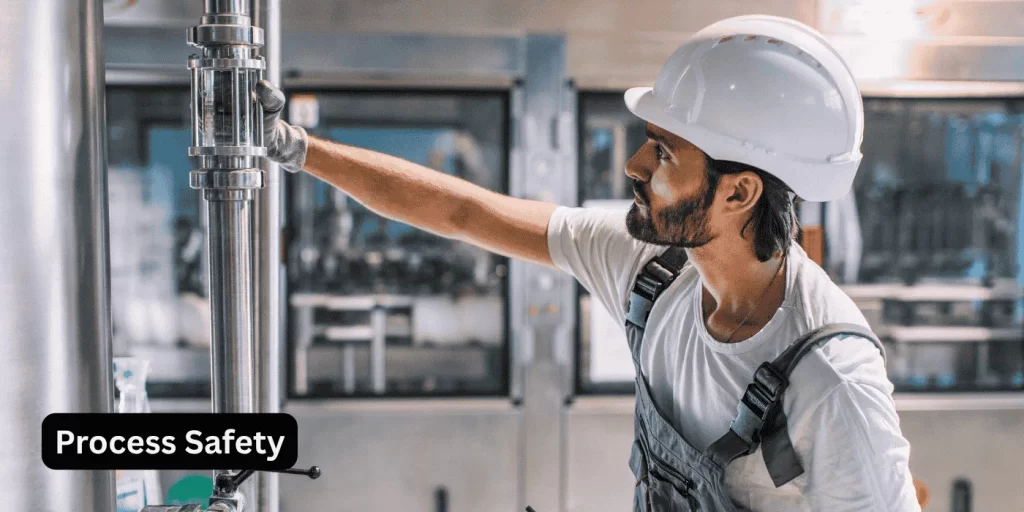
Hydrogenation Reaction Safety in the Chemical Industry

Hydrogenation Reaction Safety in the Chemical Industry

Hydrogenation Reaction Safety in the Chemical Industry

Hydrogenation Reaction Safety in the Chemical Industry

Welcome to this in-depth guide on Hydrogenation Reaction Safety in the chemical industry. If you work in process plants, especially in pharmaceuticals, petrochemicals, or specialty chemicals, you know that hydrogenation is a powerful yet potentially dangerous reaction. A minor oversight can lead to catastrophic consequences, ranging from fires and explosions to equipment damage and production losses.

In this article, we will break down the entire safety approach for hydrogenation operations, taking a 2 KL hydrogenation reactor setup as an example. We will look at critical equipment, process safeguards, and operational best practices that protect people, plant, and product.

What We Are Going to Cover

We will go step-by-step through:

  • What is a hydrogenation reaction and why it’s used in industry
  • Typical hazards in hydrogenation
  • Safety considerations for a 2 KL hydrogenation reactor setup
  • The role of cooling and chilling in reaction control
  • SRV (Safety Relief Valve) and RD (Rupture Disc) functions
  • Nitrogen blanketing and purging procedures
  • Earthing jumpers to prevent static discharge
  • Safety during catalyst filtration and catalyst hazards
  • Valve selection as per pressure requirements
  • The role of a surge tank in emergency discharge handling
  • Final safety recommendations

What is Hydrogenation?

What is Hydrogenation Reaction ?

Let’s start with what is Hydrogenation?

Hydrogenation is a chemical reaction where hydrogen gas is added to a compound, typically in the presence of a catalyst. It’s widely used in:

  • Saturating organic compounds (e.g., converting alkenes to alkanes)
  • Producing edible oils (hardening vegetable oils)
  • Hydrogenating nitro compounds to amines in pharma intermediates
  • Fine chemical production

The process generally occurs under elevated pressures (3–200 bar) and controlled temperatures (50–250°C), often in solvent systems with solid catalysts like Raney Nickel, Palladium on Carbon (Pd/C), or Platinum on Carbon (Pt/C).

These conditions — high pressure, flammable gas, exothermic reaction, and hazardous catalyst — make hydrogenation inherently risky.

Example: 2 KL Hydrogenation Reactor Setup

Let’s consider a 2 KL (2000-liter) reactor in a typical chemical plant.

Key features of this setup:

  • Stainless Steel (SS316) or Hastelloy reactor
  • Designed for 10–20 bar working pressure
  • Equipped with agitator, baffles, and cooling jacket
  • Fitted with Safety Relief Valve (SRV) and Rupture Disc (RD)
  • Connected to nitrogen and hydrogen lines with flow control
  • Catalyst charging via manway or slurry addition
  • Filtration setup downstream for catalyst recovery
  • Surge tank connected to SRV outlet for emergency venting

This scenario helps us walk through each safety aspect logically.

Process Safety Considerations

1. Cooling and Chilling

Why it matters:
Hydrogenation is exothermic — the addition of hydrogen releases heat. If heat is not removed effectively, temperature can rise uncontrollably, leading to thermal runaway, overpressure, and even explosion. tis is a key for Hydrogenation Reaction Safety in the chemical industry.

Best practices:

  • Use cooling jackets or internal coils to maintain reaction temperature.
  • Start hydrogen addition at low temperature and low pressure, gradually increasing as reaction progresses.
  • Chilling may be required for highly exothermic reactions — chilled brine or glycol systems help maintain sub-ambient temperatures.
  • Always have a backup cooling source in case of main chiller failure.

2. Safety Relief Valve (SRV) and Rupture Disc (RD)

SRV:
A spring-loaded valve that automatically opens if reactor pressure exceeds set limits (e.g., 8 bar). It prevents vessel rupture by releasing excess gas safely.

RD:
A thin diaphragm designed to burst at a specific pressure, providing immediate full-flow relief. Often used in series with SRV for redundancy.

Key points:

  • Set pressure should be below vessel design pressure but above normal operating range.
  • Discharge should be routed to a safe location or surge tank, never directly into work area.
  • Regular calibration and inspection is essential.

3. Nitrogen Blanketing and Purging

Purpose:

  • Prevent oxygen ingress into hydrogen system (avoiding explosive H₂–O₂ mixtures)
  • Maintain inert atmosphere inside reactor before and after hydrogen charging

Procedure:

  1. Purge reactor with nitrogen before introducing hydrogen.
  2. Maintain positive nitrogen pressure during charging solids or liquids.
  3. After reaction, displace hydrogen with nitrogen before opening vessel.

Safety note: Always check oxygen analyzer readings to ensure O₂ levels are below 1% before starting hydrogenation.

4. Earthing and Jumpers

Hydrogen is highly flammable, and static electricity can ignite hydrogen-air mixtures.

Controls:

  • Earth all reactors, pipelines, pumps, and storage vessels.
  • Use bonding jumpers across flanges and hoses to maintain electrical continuity.
  • Check earthing resistance periodically.

5. Catalyst Filtration Safety

Many hydrogenation catalysts are pyrophoric — they can ignite spontaneously when exposed to air in a dry state. this very important in Hydrogenation Reaction Safety in the chemical industry.
Examples:

  • Raney Nickel – contains residual hydrogen, can ignite in air
  • Palladium on Carbon (Pd/C) – highly flammable when dry
  • Platinum on Carbon (Pt/C) – same risk as Pd/C

Precautions:

  • Keep catalysts wet with solvent or water at all times.
  • Use closed filtration systems to avoid air contact.
  • Avoid friction or sparks near filtration area.
  • Train operators on emergency catalyst spill handling.

6. Importance of Valve Selection

Valves in hydrogenation systems must withstand:

  • High pressure (select ANSI Class 300 or above if needed)
  • Corrosive solvents (material selection: SS316, Hastelloy, Monel)
  • Leak-tight sealing to prevent hydrogen escape (PTFE or graphite packing)

Key tip: Always verify pressure-temperature rating of valve before installation.

7. Role of Surge Tank

A surge tank acts as a buffer to receive discharge from SRV or RD. This is too important Hydrogenation Reaction Safety in the chemical industry,
Functions:

  • Prevents direct hydrogen release into atmosphere
  • Allows safe venting and condensation of solvent vapors
  • Reduces risk of fire or explosion during overpressure events
  • Handles “bumping” incidents — sudden vapor expansion in reactor

Key Hazards in Hydrogenation

  • Explosion risk from hydrogen leaks
  • Thermal runaway from inadequate cooling
  • Pyrophoric catalyst fires during handling
  • Overpressure from gas surges
  • Static discharge ignition
  • Operator exposure to toxic or flammable vapors

Safety Checklist for Hydrogenation Operations

Hydrogenation Reaction Safety
  1. Verify oxygen-free system before hydrogen charging.
  2. Inspect earthing and bonding.
  3. Confirm cooling system readiness.
  4. Calibrate pressure and temperature instruments.
  5. Keep fire extinguishers and spill kits nearby.
  6. Maintain emergency shutdown procedure at operator panel.

FNQs on Hydrogenation Reaction Safety

What are the precautions for hydrogenation reactions?

Hydrogenation reactions require strict safety measures because they involve flammable hydrogen gas, high pressures, elevated temperatures, and potentially pyrophoric catalysts. Key precautions include:

  1. Use pressure-rated equipment – Ensure the reactor, piping, and fittings meet hydrogen service standards (ASME-certified).
  2. Nitrogen purging – Remove oxygen before introducing hydrogen to prevent explosive mixtures.
  3. Controlled hydrogen feed – Introduce hydrogen slowly while monitoring temperature and pressure.
  4. Temperature control – Use efficient cooling systems to avoid runaway reactions.
  5. Leak detection – Install hydrogen detectors with alarms for immediate response.
  6. Safe catalyst handling – Keep pyrophoric catalysts wet and handle under inert atmosphere.
  7. Proper PPE – Wear flame-resistant clothing, gloves, goggles, and anti-static footwear.
  8. Emergency readiness – Have venting systems, fire extinguishers, and SOPs in place.

What are the dangers of hydrogenation reactions?

The main dangers in hydrogenation reactions are:

  • Fire and Explosion – Hydrogen’s wide flammability range (4–75% in air) makes even small leaks dangerous.
  • Overpressure Hazards – Uncontrolled pressure buildup can rupture vessels.
  • Runaway Reaction – The exothermic nature of hydrogenation can cause rapid temperature rise.
  • Catalyst Fires – Pyrophoric catalysts like Raney nickel can ignite spontaneously in air.
  • Toxic Exposure – Some solvents or by-products can be harmful to health.
  • Asphyxiation – Hydrogen displaces oxygen, creating suffocation risks in confined spaces.

What are the conditions for hydrogenation reaction?

Typical conditions for hydrogenation depend on the substrate and catalyst, but in industrial practice, they generally include:

  • Catalyst – Nickel, palladium, platinum, or Raney nickel.
  • Pressure – Usually 2–200 bar, depending on process requirements.
  • Temperature – Ranges from 25°C to 300°C, depending on reaction rate and stability.
  • Solvent – Alcohols, hydrocarbons, or water, chosen for compatibility with reactants and catalyst.
  • Agitation – High-speed stirring for efficient gas-liquid contact.
  • Inerting – Nitrogen or argon purging before hydrogen introduction.

What are the precautions of hydrogen?

When working with hydrogen gas, these precautions are essential:

  1. Leak testing – Use inert gas for pressure tests before hydrogen service.
  2. Ventilation – Maintain good airflow to prevent hydrogen accumulation.
  3. No ignition sources – Eliminate sparks, flames, or hot surfaces in hydrogen handling areas.
  4. Explosion-proof equipment – Use electrical gear rated for hazardous areas (Zone 1/2).
  5. Hydrogen detection systems – Early leak detection minimizes fire/explosion risk.
  6. Static electricity control – Bond and ground all equipment.
  7. Safe storage – Store cylinders upright, away from heat, and secured to prevent tipping.
  8. Training – Ensure personnel are skilled in hydrogen handling and emergency response.

Conclusion

Hydrogenation is a core reaction in many chemical processes, but it comes with serious risks.
By understanding the reaction dynamics, maintaining robust process safety controls, and respecting the hazards of hydrogen and catalysts, plants can operate hydrogenation units safely and efficiently.

Whether it’s cooling, inerting, overpressure protection, catalyst handling, valve selection, or surge tank design, each element plays a vital role in avoiding incidents.
A disciplined safety culture is the ultimate protection for people and plant.

References

  1. NFPA 69: Standard on Explosion Prevention Systems
  2. NFPA 55: Compressed Gases and Cryogenic Fluids Code
  3. OSHA 1910.103 – Hydrogen Safety
  4. BIS IS 4576: Code for Safety in Hydrogen Handling
  5. API RP 520: Sizing, Selection, and Installation of Pressure-Relieving Devices
  6. European Industrial Gases Association (EIGA) – Safety in Hydrogen Systems
  7. Perry’s Chemical Engineers’ Handbook, 9th Ed., McGraw-Hill

Read Also

Methanol Safety in Chemical Industry

Process safety

Fire Safety

Equipment Safety

Chemical Safety

Personal Protective Equipment

10 Hazards of Static Electricity

10 Hazards of Static Electricity

10 Hazards of Static Electricity: Hello and welcome to Industrial Safety Tips — your trusted source for workplace safety awareness, training, and best practices in industries like chemical processing, oil & gas, manufacturing, and more.

Today, we’ll be exploring 10 Hazards of Static Electricity — an invisible but powerful force that has been responsible for fires, explosions, equipment failures, and even loss of life in industrial environments.

We believe that awareness is the first step to prevention. If you’ve experienced or witnessed static-related hazards in your workplace, we’d love to hear from you so we can share lessons that might save lives.

Hazards of Static Elecricity

Why Static Electricity is Dangerous

Static electricity is an imbalance of electric charges on a material’s surface. In our daily lives, it often appears harmless — like a tiny shock after walking across a carpet and touching a metal object. But in hazardous industrial environments, static can ignite flammable vapors, dust, and gases, leading to catastrophic consequences.

Industries such as chemical manufacturing, oil refineries, pharmaceuticals, grain processing, and electronics production are especially vulnerable. Even a spark with energy as low as 0.2 millijoules can ignite certain solvent vapors.

In this article, we’ll go through ten major hazards caused by static electricity, with real-world examples and prevention strategies.

Let’s have a quick view of 10 Hazards of Static Electricity.

10 Hazards of Static Electricity

10 Hazards of Static Electricity
10 Hazards of Static Electricity (Note: Image created using AI support and reviewed for accuracy by experts)

1. Fire Hazards in Flammable Atmospheres

One of the most well-known dangers of static electricity is its ability to ignite flammable vapors and gases. When static charge discharges in the presence of a combustible atmosphere, it can cause a fire almost instantly.

Example:
A solvent storage tank was being filled at high speed without grounding the transfer hose. The static buildup between the hose and the liquid ignited vapors, causing a flash fire.

Prevention:

  • Always bond and ground containers and hoses during liquid transfer.
  • Avoid high-speed filling in flammable zones.
  • Use conductive or anti-static hoses.

2. Explosions in Dust Environments

Dust explosions are a serious risk in industries like food processing, pharmaceuticals, and plastics manufacturing. Static sparks can ignite airborne dust particles suspended in the air.

Example:
In 2003, a dust explosion in a U.S. sugar refinery killed 14 workers. Static discharge was a suspected ignition source in the dust-filled conveyor system.

Prevention:

  • Keep dust levels below explosive limits through proper ventilation.
  • Ground all metal equipment in powder handling areas.
  • Use explosion-proof electrical systems in dusty environments.

3. Damage to Electronic Equipment

Electrostatic discharge (ESD) can permanently damage sensitive electronic components, especially in control systems and microchip manufacturing. A static charge as low as 100 volts — far below what a human can feel — can destroy microcircuits.

Example:
In an electronics assembly plant, improperly grounded workers discharged static into circuit boards, leading to hundreds of defective units.

Prevention:

  • Use ESD wrist straps and grounding mats in electronics areas.
  • Maintain humidity levels between 40–60%.
  • Store electronics in anti-static packaging.

4. Interruption of Industrial Processes

Static discharge can cause false signals in automated equipment or even trip safety shutdown systems unnecessarily. This can lead to production delays and financial losses.

Example:
A chemical reactor shutdown unexpectedly due to static interference in its control sensors, costing the plant two full days of production.

Prevention:

  • Shield control systems from static discharge.
  • Ensure all electrical cabinets are properly grounded.
  • Regularly inspect and replace damaged cables.

5. Risks to Personnel Safety

While static shocks are usually not fatal, they can cause involuntary movements or distractions that result in secondary injuries. For example, a worker receiving a sudden static shock while handling a sharp tool could drop it and cause injury.

Example:
In a refinery, a worker standing on a ladder received a static shock and lost balance, resulting in a fall and serious back injury.

Prevention:

  • Use anti-static footwear and conductive flooring.
  • Educate workers on static awareness.
  • Minimize synthetic clothing in high-risk areas.

6. Contamination of Products

Static electricity can attract dust, fibers, and other particles to products, leading to contamination. This is especially critical in pharmaceutical, food, and cleanroom manufacturing.

Example:
In a tablet production facility, static buildup caused airborne dust to cling to pill surfaces, leading to a failed batch quality inspection.

Prevention:

  • Use ionizing air blowers to neutralize static.
  • Keep humidity within controlled limits.
  • Maintain cleanroom protocols strictly.

7. Accidental Ignition During Fuel Handling

Fueling operations — whether for vehicles, aircraft, or industrial tanks — are high-risk situations for static discharge. Vapors from fuels like gasoline, kerosene, or jet fuel can ignite from a tiny static spark.

Example:
An aircraft refueling accident occurred when the nozzle touched the tank without bonding, causing a spark that ignited vapors.

Prevention:

  • Bond fuel nozzles to the receiving tank before starting transfer.
  • Use anti-static hoses and fittings.
  • Avoid filling tanks in very dry weather without additional precautions.

8. Increased Risk in Low-Humidity Conditions

Static buildup is much more likely in environments with low humidity because dry air is a poor conductor of electricity, allowing charges to accumulate.

Example:
A pharmaceutical facility experienced multiple static discharge incidents during winter months when indoor humidity dropped below 30%.

Prevention:

  • Install humidifiers to maintain 40–60% humidity.
  • Monitor environmental conditions in sensitive areas.
  • Use static dissipative flooring in dry zones.

9. Hazards in Powder Handling Operations

When powders are poured, mixed, or transported, friction between particles and equipment surfaces can generate significant static charges.

Example:
In a plastics manufacturing plant, static discharge during powder transfer ignited a dust cloud, causing an explosion in the blending area.

Prevention:

  • Ground conveyors, mixers, and silos.
  • Use conductive materials for chutes and pipes.
  • Limit powder transfer speeds to reduce friction.

10. Lightning-Like Effects in Certain Conditions

In rare cases, static buildup can be so extreme that it causes visible sparks or brush discharges, which behave like miniature lightning bolts. These can ignite flammable gases instantly.

Example:
During a large-scale solvent transfer, workers observed visible brush discharges from a plastic pipe. Fortunately, operations stopped before a fire occurred.

Prevention:

  • Avoid non-conductive piping in flammable areas.
  • Conduct regular static hazard assessments.
  • Use inert gas blanketing for high-risk processes.

Prevention Strategies Across All Hazards

To minimize static-related hazards, industries should adopt a combination of engineering controls, administrative measures, and personal protective equipment (PPE):

  • Bonding and Grounding: The most important method for preventing ignition in flammable environments.
  • Humidity Control: Maintain optimal humidity levels to dissipate charges faster.
  • Static Dissipative Materials: Replace insulating surfaces with conductive or semi-conductive ones.
  • Personal Protective Equipment: Use anti-static clothing, footwear, and wrist straps where needed.
  • Worker Training: Ensure all personnel understand static risks and preventive measures.
  • Regular Inspections: Verify that grounding systems are intact and functional.

Frequently Asked Questions on Hazards of Static Electricity

Which of the following practices helps prevent static electricity hazards?

Using proper grounding and bonding, maintaining humidity, wearing anti-static PPE, and using conductive materials are proven methods to prevent static electricity hazards.

What are the hazards of static electricity?

What are the hazards of static electricity?
What are the hazards of static electricity? (Note: Image created using AI support and reviewed for accuracy by experts)

Hazards include fires, explosions, equipment damage, personal injury, and operational disruptions.

What causes a static hazard?

Static hazards are caused by the buildup of electrical charge from friction, separation of materials, or fluid/dust movement, which can discharge as a spark.

What are four effects of static electricity?

  1. Ignition of flammable materials
  2. Electrical shock
  3. Damage to electronics
  4. Interference with sensitive instruments

What is the greatest danger of static electricity?

The greatest danger is the ignition of flammable gases, vapors, or dust, which can cause catastrophic explosions.

What is the fully developed stage of a fire?

The fully developed stage is when the fire has reached its maximum heat release and spreads to all combustible materials in the area.

How long is the longest fire?

The longest known fire, the Burning Mountain coal seam in Australia, has been burning for over 6,000 years.

Conclusion

Static electricity is often underestimated because it’s invisible and silent — until it causes a disaster. The 10 hazards discussed here show just how versatile and dangerous static can be in different industries, from chemical plants to electronics manufacturing.

By understanding these hazards and implementing preventive strategies, we can greatly reduce the risk of fires, explosions, equipment failures, and injuries. Safety is not just about following rules — it’s about building a culture of awareness and responsibility.

At Industrial Safety Tips, we’re committed to sharing knowledge that helps keep workplaces safe. If you’ve faced static electricity hazards in your industry, share your story — it could save someone’s life.

References

  1. National Fire Protection Association (NFPA 77) – Recommended Practice on Static Electricity.
  2. American Petroleum Institute (API RP 2003) – Protection Against Ignitions Arising Out of Static, Lightning, and Stray Current.
  3. International Electrotechnical Commission (IEC 60079-32-1) – Explosive Atmospheres – Part 32-1: Electrostatic Hazards, Guidance.
  4. Occupational Safety and Health Administration (OSHA) – 29 CFR 1910 Subpart H – Hazardous Materials.
  5. Crowl, D.A., & Louvar, J.F. (2019). Chemical Process Safety: Fundamentals with Applications. Pearson Education.
  6. British Standards Institution (BS EN 13463-1:2009) – Non-Electrical Equipment for Use in Potentially Explosive Atmospheres.

AI Disclaimer

This article has been prepared with the assistance of AI tools to improve writing quality and presentation. However, the core knowledge, insights, and technical inputs are based on the experience of industry professionals. AI was used only to refine language, save time, and generate supportive visuals to help learners understand complex concepts more easily. The content is not fully AI-generated, but carefully reviewed and verified by professionals before publication.

Read Also,

Four Stages of Fire With Example

Terms & Conditions

All About 14 Process Safety Management Elements

Contact Us

About Us

Working At Height Tips

Disclaimer

Working At Height Tips

Working At Height Tips

Working At Height Tips

10 Working At Height Tips

Working at height is one of the most dangerous tasks in any industry—whether it’s construction, maintenance, warehousing, oil rigs, or telecom towers. Despite strict guidelines and technological advances, falls from height remain a leading cause of serious injuries and fatalities worldwide. According to the International Labour Organization (ILO), falls from height account for nearly one-third of all work-related deaths.

The higher the risk, the greater the need for awareness and training. That’s why “Safety at Height” is not just a rule—it’s a culture that must be integrated into every layer of an organization.

This article aims to provide a comprehensive overview of height safety: from understanding the risks, types of equipment, safe practices, regulations, and most importantly, the mindset required to prevent incidents.

What is Working at Height?

What is Working at Height?

Working at height is defined as any work where a person could fall and injure themselves, whether above ground level or below. This includes:

  • Working on ladders or scaffolds
  • On rooftops, platforms, or open edges
  • Over open tanks or deep pits
  • Accessing areas using rope access or aerial lifts

Even working near fragile surfaces or unguarded edges can count as working at height.

Why is Height Safety Critical?

Falls from height are not only the most common workplace accidents but also among the deadliest. Some key reasons why safety at height must be prioritized include:

  • High fatality rate
  • Long-term injuries (spinal damage, fractures)
  • Significant downtime for workers and operations
  • Legal consequences and penalties for non-compliance
  • Emotional trauma for co-workers and families

In industries like construction or offshore oil rigs, even a fall of 1.8 meters (6 feet) can be fatal. Therefore, there is no “safe height” to ignore precautions.

Common Hazards in Working at Height

Common Hazards in Working at Height

Understanding the typical risks helps in mitigation planning. Key hazards include:

  • Unprotected edges: No guardrails or barriers on platforms or rooftops.
  • Faulty ladders: Damaged or unstable ladders causing slips.
  • Fragile surfaces: Roofs or skylights that can’t bear weight.
  • Weather conditions: Wind, rain, or ice reducing grip and visibility.
  • Improper use of equipment: Misuse of harnesses or anchor points.
  • Human error: Lack of attention, fatigue, or poor training.

Planning for Work at Height

Before beginning any task at height, a thorough risk assessment is essential. Follow the hierarchy of control:

  1. Avoid: Can the job be done from the ground?
  2. Prevent falls: Use platforms with guardrails or scaffoldings.
  3. Minimize consequences: Use harnesses, nets, or air cushions if a fall occurs.

Proper planning should include:

  • Access methods (ladders, lifts, ropes)
  • Tools and material handling
  • Weather forecasts
  • Emergency response plans

🛠️ Work at Height Safety Procedure (Step-by-Step)

1. Risk Assessment

  • Identify if work at height is necessary.
  • Assess hazards: edges, fragile surfaces, weather, etc.

2. Plan the Task

  • Choose the right method: scaffolding, ladders, aerial lifts.
  • Prepare a rescue/emergency plan.

3. Select Proper Equipment

  • Use certified fall protection gear: harness, lanyard, anchor points.
  • Inspect all equipment before use.

4. Ensure Safe Access

  • Use stable platforms, ladders, or mobile towers.
  • Avoid climbing over railings or makeshift structures.

5. Use PPE Correctly

  • Wear a full-body harness with a secured lanyard.
  • Connect to an approved anchor point at all times.

6. Monitor Conditions

  • Stop work during rain, high winds, or poor visibility.
  • Check for slippery or unstable surfaces.

7. Supervision and Communication

  • Have a trained supervisor present.
  • Use radios or signals to stay in contact.

8. Rescue Preparedness

  • Ensure rescue equipment is ready on site.
  • Workers must know how to respond in case of a fall.

Personal Protective Equipment (PPE) for Height Safety

The last line of defense in fall protection is Personal Protective Equipment (PPE). The correct PPE varies based on the task, height, and location but generally includes:

1. Full Body Harness

  • Distributes impact force across shoulders, thighs, and pelvis.
  • Must be worn tightly and connected correctly.

2. Lanyards and Shock Absorbers

  • Connect the harness to an anchor point.
  • Shock absorbers reduce the impact of a fall.

3. Anchorage Systems

  • Can be fixed (anchored to a permanent structure) or mobile (temporary).
  • Must support at least 5000 lbs (22 kN) of force.

4. Lifelines and Fall Arrestors

  • Horizontal or vertical systems allow movement with continuous fall protection.
  • Self-retracting lifelines reduce fall distance.

5. Helmets with Chin Straps

  • Protect from head injury in case of falls or falling objects.
  • Should meet ANSI or EN standards.

Training and Competency

No matter how advanced the equipment, it’s useless if the worker is untrained. Height safety training should include:

  • Proper fitting of harnesses
  • Identifying anchor points
  • Inspecting PPE before use
  • Rescue procedures
  • Understanding limitations of equipment

Refresher training should be done annually or when new equipment is introduced.

Supervisors must ensure only competent and certified personnel undertake height-related tasks.

Safe Use of Ladders and Scaffolds

Ladders and scaffolding are commonly used in height work. Improper use can lead to severe incidents.

Ladder Safety:

  • Use only for short-duration tasks.
  • Secure the ladder on a stable surface.
  • Maintain a 3-point contact (two feet and a hand).
  • Don’t overreach or stand on the top rungs.

Scaffolding Safety:

  • Must be erected by trained personnel.
  • Guardrails and toe boards must be installed.
  • Ensure stable base and proper bracing.
  • Inspect daily before use.

Fall Prevention Systems vs. Fall Arrest Systems

There’s a critical difference between fall prevention and fall arrest:

FeatureFall PreventionFall Arrest
PurposeStops falls from occurringStops a person after a fall
ExampleGuardrails, scaffoldingHarness, lanyard
PriorityHigherSecondary

Prevention should always be the first strategy; arrest systems are backups when prevention isn’t possible.

Regulatory Standards and Guidelines

Various national and international bodies regulate height safety. Organizations must comply with these standards:

India:

  • Factories Act, 1948
  • Building and Other Construction Workers Act (BOCW), 1996
  • IS 3521 – Code of Practice for Industrial Safety Belts and Harnesses

Global:

  • OSHA (Occupational Safety and Health Administration) – USA
  • HSE (Health and Safety Executive) – UK
  • ANSI Z359 – Fall Protection Code
  • ISO 45001 – Occupational Health & Safety Management

Non-compliance can result in fines, shutdowns, or worse—loss of life.

Case Study: How Poor Planning Led to a Fatal Fall

A 28-year-old contract worker was repairing a roof without guardrails or a harness. The surface was slippery due to morning dew. Within minutes, he lost balance and fell 12 feet, suffering a fatal head injury. Investigations revealed:

  • No risk assessment was done
  • No PPE was provided
  • Supervisor was unaware of his location

This tragic incident could have been prevented with basic precautions. It serves as a grim reminder that safety shortcuts can be fatal.

Read Also: Different Types of Safety Helmets Used in the Chemical Industry

Pro Tips to Remember for Height Safety

Here are some golden rules to remember:

  • Never work at height alone
  • Always inspect PPE before use
  • Don’t use damaged ladders or harnesses
  • Know your anchor point’s strength
  • Secure your tools to prevent dropping
  • Stay alert—fatigue and distraction are dangerous
  • Never override safety systems for speed

Frequently Asked Questions about Height Safety

What is height safety?

Height safety refers to the practices, equipment, and procedures used to prevent injuries or fatalities when working at heights where a fall could cause harm. It includes the use of harnesses, guardrails, scaffolding, fall arrest systems, training, and proper planning to minimize risk. Any task performed above ground level—whether on ladders, rooftops, or platforms—falls under height safety protocols.


What are the 5 safety guidelines for working from heights?

  1. Avoid working at height whenever possible.
  2. Use proper fall prevention systems like guardrails, scaffolds, or platforms.
  3. Wear appropriate PPE such as a full-body harness and helmet with chin strap.
  4. Ensure all equipment is inspected and in good working condition before use.
  5. Provide adequate training to all workers and have an emergency rescue plan in place.

These five guidelines help reduce the chances of accidents and ensure safe working conditions.


What is a safety line for working at height?

A safety line is a secure, load-bearing rope or cable that workers attach to using a lanyard and harness. It’s part of a fall arrest or fall restraint system. Safety lines can be vertical (lifelines) or horizontal, allowing freedom of movement while still preventing a fall. The line is anchored at both ends and designed to hold the worker in the event of a slip or fall.


How to be safe when working at heights?

To be safe at height, you must follow several best practices:

  • Conduct a risk assessment before starting any work.
  • Use fall prevention or fall arrest systems suited to the task.
  • Inspect all equipment, including harnesses, connectors, and anchor points.
  • Stay aware of your surroundings, including weather and surface conditions.
  • Receive proper training and never work alone at height.
    Preparation, vigilance, and using the right equipment are key to staying safe.

What is the minimum height for safety?

There is no universal “safe” height, but most regulations define working at height as any work done at 1.8 meters (6 feet) or above. In some countries, even tasks done above ground level without proper barriers are considered height risks. Therefore, safety measures must be applied even at low elevations, depending on the risk of injury in a fall.


What are the 5S guidelines for safety?

The 5S system, originally from Japanese manufacturing, is a workplace organization method that also enhances safety. The 5S pillars are:

  1. Sort (Seiri): Remove unnecessary items to reduce clutter and hazards.
  2. Set in order (Seiton): Arrange tools and equipment logically and accessibly.
  3. Shine (Seiso): Keep the workspace clean to avoid slip and trip hazards.
  4. Standardize (Seiketsu): Develop procedures and schedules to maintain organization.
  5. Sustain (Shitsuke): Promote discipline and consistency in applying safety standards.

Though not specific to height safety, the 5S method helps create a more organized and safer overall work environment.

Conclusion

Working at height doesn’t have to be risky—when managed correctly, it can be as safe as any other task. But this requires the combined power of training, equipment, planning, and a culture that never compromises on safety.

Every worker has the right to return home safely. And every employer has the responsibility to make that possible.

Whether you’re 2 meters above the ground or 200, the rules don’t change—prioritize prevention, plan every move, and prepare for emergencies.

Read Also

Methanol Safety in Chemical Industry

Process safety

Fire Safety

Equipment Safety

Chemical Safety

Personal Protective Equipment

Sulphuric Acid Safety in Chemical Industry

Methanol Safety in Chemical Industry

Safety Precautions For Distillation

Work at height hazards

What is the minimum height for working at height

All About 14 Process Safety Management Elements

Process Safety management elements

Hi, welcome! Today, we’re covering a very important topic from the process safety point of view: Process Safety management elements. Whether you’re operating a large chemical plant or a small-scale facility that handles hazardous materials, understanding and applying the principles of PSM is critical to maintaining safety, reliability, and compliance.

Let’s begin with a example:

Process Safety Management Example

Example: In a chemical plant that handles highly flammable substances like hydrogen and ethylene, an unexpected pipe failure resulted in a leak. Due to inadequate safety procedures and poor maintenance practices, the leak wasn’t detected immediately, leading to a fire. Fortunately, no one was injured, but the plant suffered significant damage and production downtime. This incident could have been prevented by implementing the right PSM practices.

PSM is about preventing fires, explosions, and toxic releases in chemical processes by systematically managing risks and ensuring safe design and operation.

Reshma Kadam

So, what is Process Safety Management (PSM)?

Process Safety Management refers to a framework of policies, procedures, and practices designed to manage risks associated with hazardous chemicals. It aims to prevent the release of substances that could cause catastrophic events such as explosions, fires, or toxic exposures.

Why is PSM Important?

  • To protect workers, communities, and the environment from chemical hazards.
  • To ensure business continuity and reduce financial losses.
  • To meet legal and regulatory compliance under standards like OSHA 1910.119.

Let’s now dive into the 14 key elements of Process Safety Management, understand what each means, and how it applies practically in operations.

14 Process Safety Management Elements

14 Process Safety Management Elements

1. Process Safety Information (PSI)

What: PSI includes detailed information about the chemicals, equipment, and processes used in your facility. This may cover toxicity, permissible exposure limits, reactivity data, and design specifications of equipment.


How Applicable: Accurate and up-to-date PSI helps engineers, operators, and contractors understand the hazards they are working with and design control measures accordingly. It’s the foundation for all other PSM elements.

As per our example, knowing the properties and hazards of hydrogen and ethylene would highlight the need for corrosion-resistant piping to prevent failures like the leak.

2. Process Hazard Analysis (PHA)

Process Hazard Analysis

What: A systematic review to identify potential hazards associated with a process and assess their consequences.
How Applicable: PHAs like HAZOP or What-If analysis are conducted regularly and when changes are made. It ensures all process risks are known and mitigated before operations.

As per our example, a PHA would have recognized the risk of pipe failure causing leaks of flammable hydrogen and ethylene, enabling preventive measures to avoid fire.

3. Operating Procedures

What: Step-by-step instructions for safely operating processes under normal, abnormal, and emergency conditions.
How Applicable: Clear, detailed SOPs reduce reliance on memory and ensure consistent practices across shifts. Operators use these procedures to perform their tasks safely and efficiently.

As per our example, operators with clear procedures would detect and respond immediately to the hydrogen and ethylene leak, limiting escalation.

4. Employee Participation

What: Involving employees in the development and implementation of PSM programs.
How Applicable: Workers on the ground often have valuable insights into equipment and process risks. Their involvement ensures buy-in, improves reporting of issues, and strengthens the safety culture.

As per our example, plant workers familiar with the hydrogen and ethylene system could have reported pipe degradation early, preventing failure.

5. PSM Training

What: Training employees on the hazards of processes and how to carry out their tasks safely.
How Applicable: Regular and role-specific training ensures operators understand how to respond to abnormal situations and use safety equipment properly. It also satisfies regulatory requirements.

As per our example, trained personnel would promptly identify and manage the hydrogen and ethylene leak, reducing fire risk.

6. Contractor Training

What: Ensuring that external contractors working in the facility are properly trained on safety protocols.
How Applicable: Contractors often perform high-risk jobs like maintenance and construction. Proper training ensures they don’t inadvertently introduce hazards, this is the 6th Process Safety management elements.

As per our example, properly trained contractors would avoid poor maintenance causing the hydrogen and ethylene pipe failure.

7. Pre-Startup Safety Review (PSSR)

What: A review conducted before starting new or modified equipment or processes.
How Applicable: PSSR ensures that all safety systems are in place, personnel are trained, and documentation is complete before bringing the system online. It prevents accidents due to overlooked issues.

As per our example, a PSSR after piping repairs would verify the hydrogen and ethylene lines were secure before restart, preventing leaks.

8. Mechanical Integrity

What: Ensuring that equipment such as valves, vessels, and piping are designed, installed, and maintained correctly.
How Applicable: Regular inspection and maintenance prevent failures. Using a preventive maintenance system (like CMMS) helps track and document these activities, this is 8th Process Safety management elements.

As per our example, MI programs would identify corrosion or damage in the hydrogen and ethylene piping early enough to repair it before leaking.

9. Hot Work Permits

What: A system for managing welding or cutting jobs (hot work) in hazardous areas.
How Applicable: Issuing hot work permits ensures that flammable materials are cleared, fire watchers are present, and emergency procedures are known before hot work begins.

As per our example, hot work permits would ensure safe welding practices near hydrogen and ethylene piping, preventing fire ignition.

10. Management of Change (MOC)

What: A process for evaluating and approving any change in process, equipment, or personnel.
How Applicable: Even small changes, like replacing a pump with a different model, can affect process safety. MOC ensures risks are reviewed before implementing changes, this is 10th Process Safety management elements.

As per our example, MOC would require review of any hydrogen and ethylene piping modifications, catching potential risks before leak occurrence.

11. Incident Investigation

What: A structured approach to investigating and learning from accidents or near misses.
How Applicable: Identifying root causes helps prevent recurrence. Investigations should be timely, documented, and result in corrective actions.

As per our example, investigation of earlier small leaks or near misses involving hydrogen or ethylene could have prevented the major pipe failure and fire.

12. Emergency Planning and Response

What: Plans and resources to handle emergencies like chemical spills, fires, or explosions.
How Applicable: Having well-practiced drills, trained personnel, and emergency equipment ensures quick response to minimize harm.

As per our example, emergency planning enabled safe evacuation and fire control after the hydrogen and ethylene leak, preventing injuries.

13. Compliance Audits

What: Regular reviews of PSM implementation and performance.
How Applicable: Audits help identify gaps in procedures or training and ensure that PSM practices are being followed consistently across departments, this 13th Process Safety management elements.

As per our example, audits would have revealed gaps in maintenance and safety procedures managing the hydrogen and ethylene piping system.

14. Trade Secret Protection

What: Protecting confidential information without compromising safety.
How Applicable: If safety data involves proprietary information, it should still be shared with those who need it (e.g., emergency responders), while maintaining confidentiality, this is 14th osha process safety management elements.

As per our example, trade secrets related to hydrogen and ethylene process design would still be disclosed to safety personnel to prevent pipe failure risks.

Who Must Comply with PSM?

PSM regulations are primarily targeted at facilities that handle hazardous chemicals above threshold quantities. This includes:

  • Chemical manufacturers
  • Refineries
  • Pharmaceutical plants
  • Food processing units using ammonia or chlorine

Most Asked Q&A on PSM

How many elements are in Process Safety Management?

Answer

Process Safety Management (PSM) includes 14 key elements that collectively help manage and reduce risks associated with hazardous chemical processes.

What does Process Safety Management include?

Answer

PSM includes policies, procedures, training, hazard analysis, maintenance, emergency response, and continuous auditing to prevent fires, explosions, and toxic releases in industrial operations.

What are the 4 components of safety management?

Answer

The four main components of safety management are hazard identification, risk assessment, control implementation, and continuous monitoring to ensure ongoing safety performance.

Conclusion

Process Safety Management is not just a compliance requirement—it’s a responsibility and a necessity. By implementing these 14 elements effectively, organizations can prevent catastrophic incidents, protect lives, and ensure smooth operations. From understanding the hazards to responding to emergencies, PSM provides a structured, holistic framework for chemical safety. As the saying goes, “If you think safety is expensive, try an accident.”

Invest the time, train your people, review your systems, and commit to continuous improvement in process safety. Your workforce, your neighbors, and your business depend on it.

Reference

process safety management OSHA

Read Also

3 Elements of Fire Triangle

keyword ” Process Safety management elements